
"specialty coffee Sudan"
200 article(s) found

Introduction of Ugandan coffee beans with low acidity and delicate taste
Uganda's coffee production ranks first in Africa, accounting for more than 70% of its total exports. Uganda is also the hometown and main producing area of Robes specialty coffee. In the 1960s, Ugandan coffee production remained at 3.5 million bags a year. By the mid-1980s, coffee production had dropped to 2.5 million bags a year, mainly for political reasons. But now coffee production is on the rise again, which is large at present.

Yunnan iron card coffee beans grinding scale manor processing method taste variety introduction
The new variety actually refers to catimor, which is a hybrid of the Robesta family timor and Arabica. Compared with the old variety, it lacks rich aroma and taste, and has a shallow grassy smell and earthy taste, but its advantages lie in its resistance to pests, ease of management, and production.

Robes, a coffee variety from the mountains of Elgon and Bugisu, Uganda
Uganda's coffee production ranks first in Africa, accounting for more than 70% of its total exports. Uganda is also the hometown and main producing area of Robes specialty coffee. In the 1960s, Ugandan coffee production remained at 3.5 million bags a year. By the mid-1980s, coffee production had dropped to 2.5 million bags a year, mainly for political reasons. But now coffee production is on the rise again, which is large at present.

Introduction of Robbs Special Coffee growing area in Uganda Coffee production area
Uganda's coffee production ranks first in Africa, accounting for more than 70% of its total exports. Uganda is also the hometown and main producing area of Robes specialty coffee. In the 1960s, Ugandan coffee production remained at 3.5 million bags a year. By the mid-1980s, coffee production had dropped to 2.5 million bags a year, mainly for political reasons. But now coffee production is on the rise again, which is large at present.

Ethiopian Zag Cooperative Coffee good? Ethiopian Zag Cooperative Coffee Story
For more information on coffee beans, please follow Coffee Workshop (Wechat official account cafe_style) the Amhara region of Ethiopia is one of the most popular tourist destinations in the country, but it has only recently become a well-known specialty coffee producer. The Amhara region, north of Addis Ababa, the capital of Ethiopia, has a completely different production system.

Practical information | Coffee genealogy collation
Coffea / Coffee consists of more than 120 species, usually opposite leaves, evergreen shrubs or small trees with horizontal branches. Contains opposite species, one side is flat, and the other side has grooves (right! It's coffee beans! ). Tropical forests are the preferred habitat for most coffee plants. There are about 60 coffee plants in the world.

One of the leading coffee producing countries in Africa, the Robbs special coffee producing area of Uganda
The output is among the highest in Africa, accounting for more than 70% of its total exports, while Uganda is also the hometown and main producing area of Robes specialty coffee. In the 1960s, Ugandan coffee production remained at 3.5 million bags a year. By the mid-1980s, coffee production had dropped to 2.5 million bags a year, mainly for political reasons. But now coffee production is on the rise again, which is now about 30% a year.

What are the brewing steps of Yunnan Huaguoshan small grain coffee brand?
For the exchange of professional baristas, please pay attention to the coffee workshop (Wechat official account cafe_style) Typica, a classic high-quality coffee variety, which is the main cultivated variety of this batch of coffee. Tibica coffee is native to Ethiopia and southeastern Sudan and is the most widely cultivated variety of coffee in the Western Hemisphere. The plant is stronger, but not light-tolerant, and the yield is higher in Hawaii. Tiebi

Southern Uganda Coffee beans Robbs Special Coffee introduction to the Elgon Mountains and Bugisu (
Uganda's coffee production ranks first in Africa, accounting for more than 70% of its total exports. Uganda is also the hometown and main producing area of Robes specialty coffee. In the 1960s, Ugandan coffee production remained at 3.5 million bags a year. By the mid-1980s, coffee production had dropped to 2.5 million bags a year, mainly for political reasons. But now coffee production is on the rise again, which is large at present.

Uganda coffee producing countries with the highest production in Africa introduce Uganda's boutique coffee beans
Uganda's coffee production ranks first in Africa, accounting for more than 70% of its total exports. Uganda is also the hometown and main producing area of Robes specialty coffee. In the 1960s, Ugandan coffee production remained at 3.5 million bags a year. By the mid-1980s, coffee production had dropped to 2.5 million bags a year, mainly for political reasons. But now coffee production is on the rise again, which is large at present.

Popular science | genealogy of common varieties of coffee
The exchange of professional baristas please pay attention to the coffee workshop (Wechat official account cafe_style) term explanation before introducing genealogical varieties Coffea / Coffee includes more than 120 species, usually opposite leaves, evergreen shrubs or small trees with horizontal branches. Contains opposite species, one side is flat, and the other side has grooves (right! It's coffee beans! ). Most of the coffee genera

Flavor characteristics, producing areas and brewing ginseng of Yunnan small-grain coffee Huaguoshan Baoshan Tieka boutique coffee beans
For the exchange of professional baristas, please pay attention to the coffee workshop (Wechat official account cafe_style) Typica, a classic high-quality coffee variety, which is the main cultivated variety of this batch of coffee. Tibica coffee is native to Ethiopia and southeastern Sudan and is the most widely cultivated variety of coffee in the Western Hemisphere. The plant is stronger, but not light-tolerant, and the yield is higher in Hawaii. Tiebi

Kenyan Coffee Manor Brand Flavor description Taste characteristics brief introduction of Grinding Calibration method
Kenyan Coffee Manor Brand Flavor description Taste characteristics Grinding Calibration method A brief introduction to Kenya Coffee producing areas are mainly concentrated in Mount Kenya (Mt. The plateau region represented by Kenya). Tropical climate, acid red volcanic soil provides a natural and suitable growth environment for coffee. The main producing areas are Nyeri and Ruiru in the middle of the country. Kenya Coffee Committee

Is there a difference between Rose Summer Village and Rose Summer Village?
For more information on coffee beans, please follow the origin of GESHA village of Coffee Workshop (official Wechat account cafe_style) located in a remote area of western Ethiopia, only a few kilometers from the South Sudanese border, lies the dense, thorny jungle of Maji district. This is a place with amazing natural beauty, from a high stretch of the plateau.
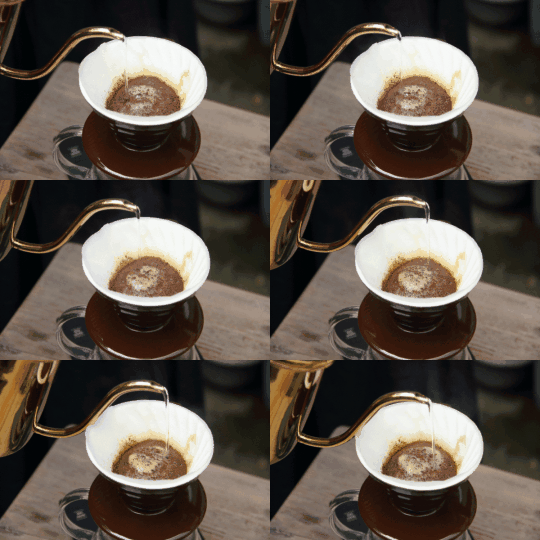
Uganda Coffee Flavor description Taste characteristics Grinding scale Fine Coffee beans
Uganda coffee flavor description, grinding scale, fine coffee beans introduce Uganda's coffee production ranks first in Africa, accounting for more than 70% of its total exports, while Uganda is also the hometown and main producing area of Robes specialty coffee. In the 1960s, Ugandan coffee production remained at 3.5 million bags a year. By the mid-1980s, coffee production had fallen to

Description of the Flavor of Ugandan Coffee introduction to the varieties treated in the manor area
Uganda coffee flavor description manor area treatment varieties Uganda's coffee production is among the highest in Africa, accounting for more than 70% of its total exports, while Uganda is also the hometown and main producing area of Robes specialty coffee. In the 1960s, Ugandan coffee production remained at 3.5 million bags a year. By the mid-1980s, coffee production had dropped to an annual rate, mainly for political reasons.

How many common coffee beans are there
Professional coffee knowledge exchange more coffee bean information please follow the coffee workshop (Wechat official account cafe_style) A brief introduction to common coffee varieties in the front street Tibica (also known as Typica) Tibica is the native species of all Arabica varieties. It is said that Tibika originated in southern Sudan, flourished in Ethiopia and was finally planted in Yemen around the 7th century AD.

Characteristics of Yunnan Huaguoshan Coffee
For the exchange of professional baristas, please pay attention to the coffee workshop (Wechat official account cafe_style) factory name: coffee Qianjie Cafe location: No. 10 Baoqian Street, Yuexiu District, Guangzhou City, contact information: 020-38364473 ingredient table: 100% iron pickup order grinding shelf life: 20 net content: 10g packaging: bulk brand: coffee workshop series: Huaguoshan is organic food:

Coffee Bean Characteristics typica Coffee Bean Iron Pickup Species Coffee Flavor Characteristics
Professional coffee knowledge exchange More coffee bean information Please pay attention to Coffee Workshop (Weixin Official Accounts cafe_style) Front Street-Iron Pickup Variety Introduction Arabica Basic Varieties Among Arabica Species, Ethiopian Ferrous Bica Typica and Yemen Bourbon are the coffee varieties closest to the native species known so far. It has been transplanted from its origin to Central and South America and Asia.

Ugandan Coffee Flavor Ugandan Coffee Taste introduction to Ugandan coffee producing areas
Uganda's coffee production ranks first in Africa, accounting for more than 70% of its total exports. Uganda is also the hometown and main producing area of Robes specialty coffee. In the 1960s, Ugandan coffee production remained at 3.5 million bags a year. By the mid-1980s, coffee production had dropped to 2.5 million bags a year, mainly for political reasons. But now coffee production is on the rise again, which is large at present.